Quick Navigation
- So What Fills the Days?
- Boats, Paddling and the Ferries
- The Beaches, in Brief
- Overbeck's: A Garden That Does Not Feel Like Devon
- The Coast Path to Bolt Head and Beyond
- Fort Charles and the Town's Seafaring Past
- The fort on the rocks
- The Maritime Museum
- Shops, a Harbour and Not Much Else to Plan For
- Everything above, at a glance
- Staying Close to All of It
- Common Questions
- What is there to do in Salcombe?
- Is Salcombe good for a day trip?
- What can you do in Salcombe if it rains?
- Is Salcombe good for families?
- Can you walk from Salcombe to Hope Cove?
- Is Overbeck's worth visiting?
Salcombe rewards people who arrive without a plan, because the town more or less supplies one. There is water to get onto, sand to walk on, a subtropical garden cut into the cliff, a Tudor fort you can only reach when the tide allows it, and a high street built for browsing rather than through-traffic. Almost none of it needs booking ahead, which is unusual for somewhere this popular — stay in the town itself and most of what follows is within walking distance.
So What Fills the Days?
Five things, roughly. Get on the water, get in the water or look at it from a beach, walk a stretch of the coast path, spend an hour somewhere with a roof over your head, and eat well in between. None of them are far from any of the others.
- On the water — kayaks, paddleboards, sailing and the harbour ferries
- On the sand — North Sands, South Sands and the coves beyond them
- On foot — the coast path and Overbeck's garden above Sharpitor
- Under a roof — the Maritime Museum, Fort Charles and Fore Street's shops
- With children — crabbing off the quay, rock pools and the same beaches, at a slower pace
The rest of this guide takes each of those in turn, with what it actually involves rather than a list of names.
Boats, Paddling and the Ferries
The estuary is the reason people come back. Kayaks and paddleboards go out from the town beaches and Whitestrand most of the year, and sailing schools run lessons for people who have never held a tiller.
RIB and pleasure-boat trips run out to the harbour mouth and along the coast. Two passenger ferries cross the water too — one to East Portlemouth, one seasonal service further out towards the beaches — so the far shore rarely needs a car.
We cover the operators, routes and what each kind of trip actually suits in a separate guide to boat trips and boat hire on the estuary, since it is a big enough topic on its own.
The Beaches, in Brief
North Sands and South Sands are the two you can drive to, both good for swimming and both busy in August. Everything else — Mill Bay, Starehole Bay, the coves out past Bolt Head, Hope Cove and Soar Mill Cove further along the coast — is reached by ferry, on foot, or both.
Which beach suits which kind of day, how to reach each one and where the dog restrictions apply are covered properly in our full beaches guide, so this one stays short on purpose.
Overbeck's: A Garden That Does Not Feel Like Devon
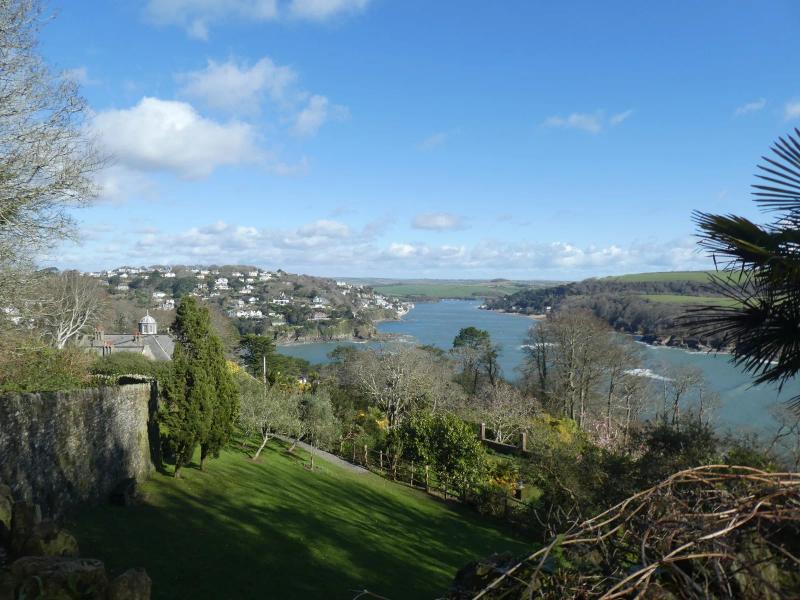
Overbeck's sits at Sharpitor, above South Sands, and belongs to the National Trust. The seven-acre garden is planted with eucalyptus, citrus and palms that lean on the estuary's mild microclimate to survive outdoors at all — nothing about it looks like the rest of South Devon.
The house itself, once home to the scientist Otto Overbeck, is currently closed for repair. The garden and its terraced sea views are open on their own, and are the real reason to come.
It is a genuine walk rather than a stroll from the car park: the National Trust's own route from South Sands follows Cliff Road and then the brown signs, with a longer approach on foot from East Soar for anyone starting further out.
Dogs are welcome on a short lead on the paths, though not on the lawns. Bring a picnic, or borrow one of the garden's own baskets, and treat the visit as half a day rather than a quick stop.
The Coast Path to Bolt Head and Beyond
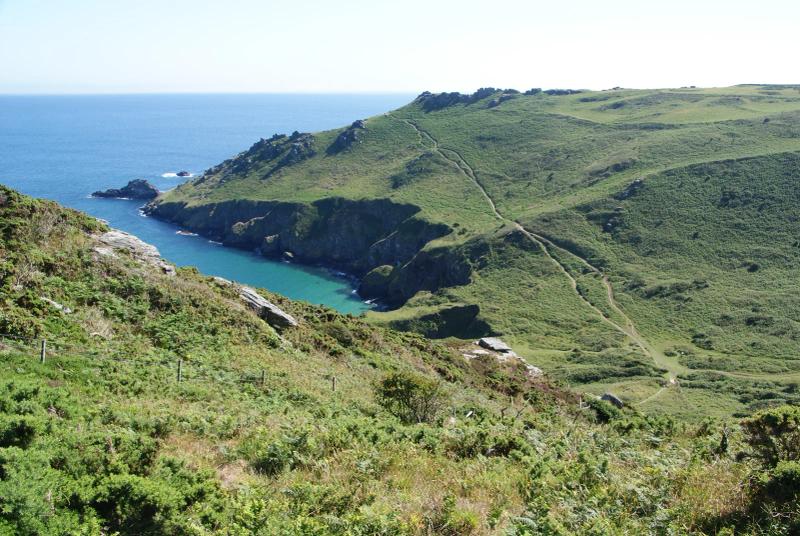
The South West Coast Path runs straight past the town, and the loop out to Bolt Head and back via Soar Mill Cove is the walk most people mean by "the coastal walk" — 6.6 miles from North Sands car park.
Expect several steep, stepped climbs and a short section of narrow lane. It is not a flat afternoon stroll, and the path surface is rocky in places, so proper footwear earns its keep here.
Go the other direction from the town and the path heads towards places to stay around Hope Cove, a shorter and gentler walk if the full Bolt Head loop is more than the day allows. Either way, check conditions before you set out — sections of this coast are exposed to wind and rain with no shelter for long stretches.
Fort Charles and the Town's Seafaring Past
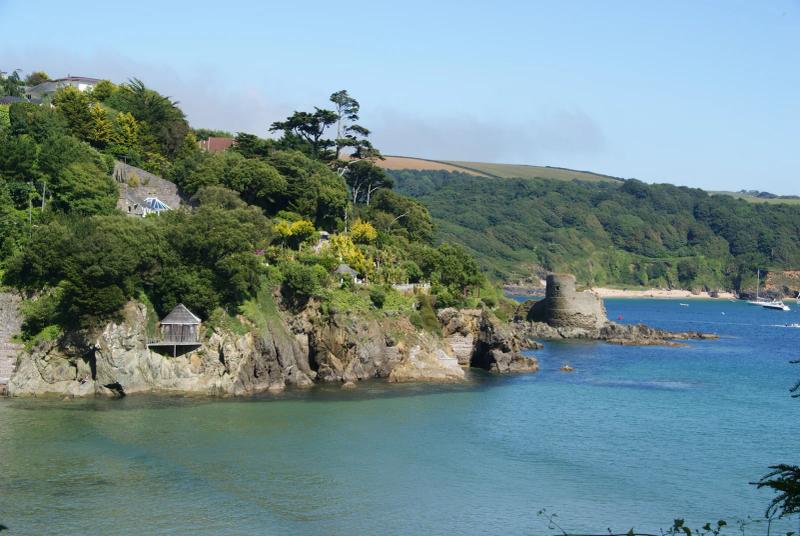
The fort on the rocks
Fort Charles is the ruined gun fort on the rocks at North Sands, built as a coastal battery in the Tudor period and rebuilt and strengthened during the English Civil War.
Parliamentary forces besieged it for months before its Royalist garrison finally surrendered in 1646. What survives is a broken semicircular tower and a stretch of wall, on a tidal outcrop reached on foot only when the water allows it.
Check the tide before you walk out. The rock the fort stands on is cut off at higher states of the tide, which is worth confirming locally on the day rather than assuming from a chart alone.
The Maritime Museum
For the human side of that history, the volunteer-run Salcombe Maritime Museum sits beneath the Tourist Information Centre in the Old Council Hall on Market Street, just up from Fore Street.
Its Ship Room holds more than thirty paintings of the "Salcombe fruiters" — the fast schooners that raced home from the Azores, the Mediterranean and the West Indies with cargoes of oranges and other fruit before it could spoil.
A ruined fort you can only reach at low tide, and a museum room full of ships that raced fruit home from the Azores — Salcombe's history is stranger and more specific than the postcard version suggests.
Shops, a Harbour and Not Much Else to Plan For
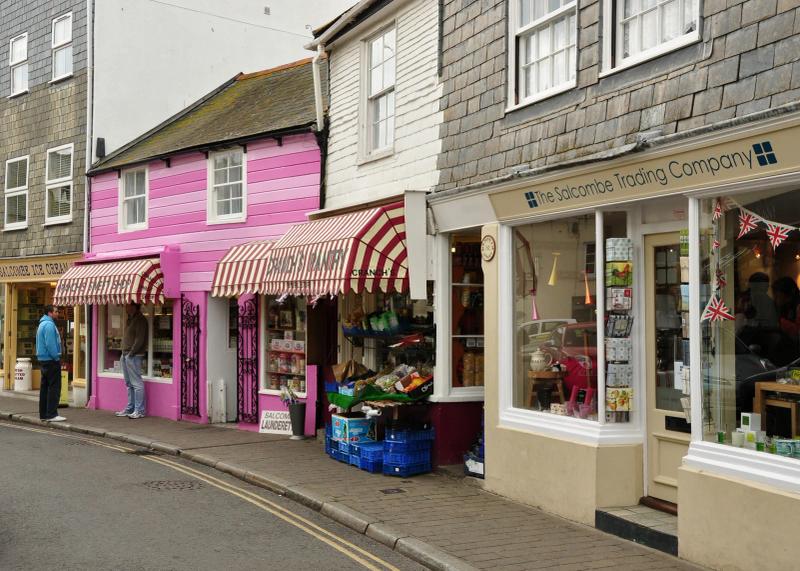
Fore Street and the alleys off it — Russell Court among them — carry the town's independent shops: sailing and outdoor brands, gift shops, galleries and a genuine concentration of places to eat.
We cover the eating side properly in our guide to where to eat in Salcombe. None of the shopping takes planning; it is a walk-and-browse street rather than a destination you drive to.
Crabbing off the quay is close to a local institution. A line, a bit of bait and the harbour wall or a pontoon is most of what it takes, and shore crabs are usually obliging.
If the weather turns, several of the hotels around the estuary have pools worth knowing about even if you are not staying there — see our guide to Salcombe hotels with a pool.
Everything above, at a glance
| Activity | Where | Best for |
|---|---|---|
| Kayaking, paddleboarding, sailing | Town beaches and Whitestrand | Active days, all ages with a lesson |
| Beaches | North Sands, South Sands and beyond | Swimming, sunbathing, families |
| Overbeck's garden | Sharpitor, above South Sands | A slower half-day, garden lovers |
| Coast path to Bolt Head | South of North Sands | Walkers wanting a proper route |
| Fort Charles & the Maritime Museum | North Sands / Market Street | History, wet-weather backup |
| Shops and crabbing | Fore Street and the harbour wall | Lazy mornings, rainy afternoons |
Staying Close to All of It
Everything above is walkable, or close to it, from a base in the town itself — the main argument for staying in Salcombe rather than driving in each day.
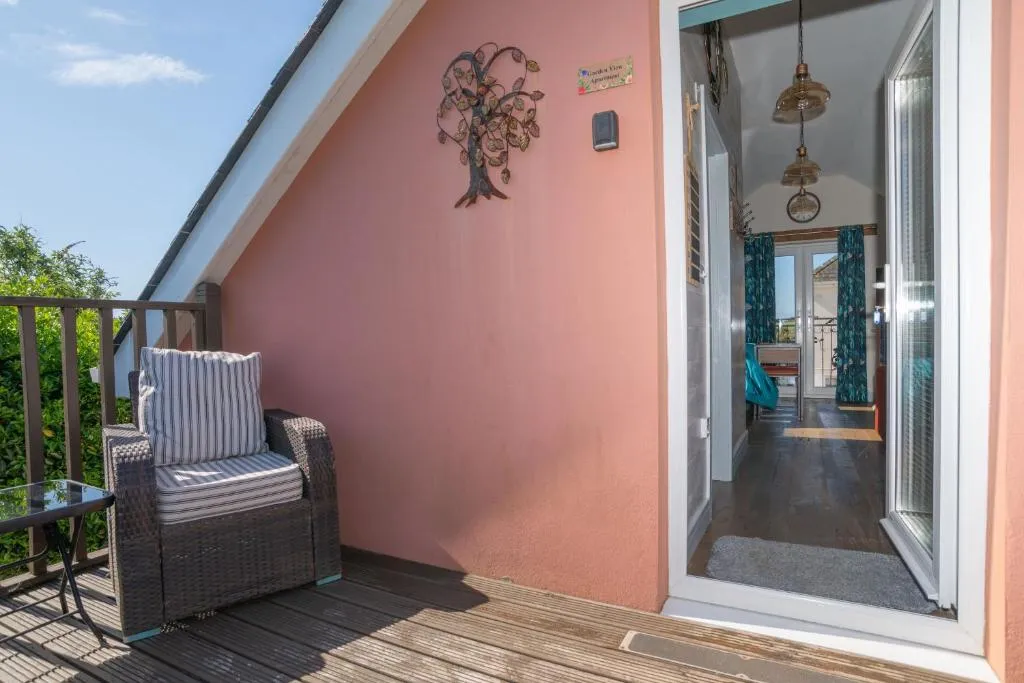
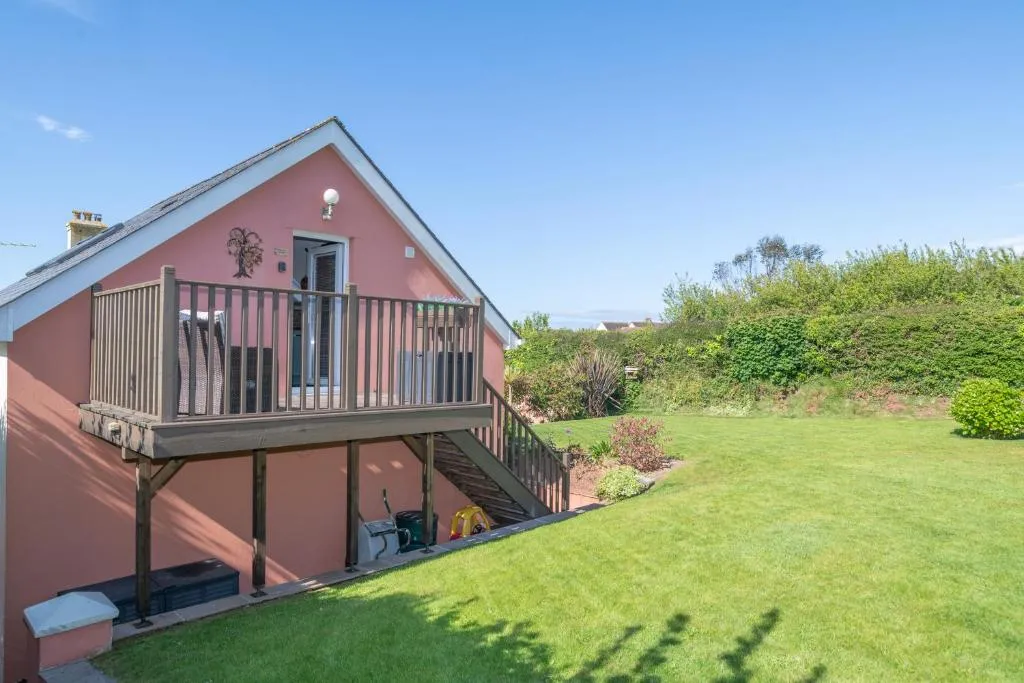
A big group wanting space right in the centre, within reach of the harbour, the shops and the ferries, could do worse than 18 Church Street, a five-bedroom stone cottage rated 9.3 from 90 guest reviews.
If Salcombe itself is booked out, cottages and houses around Kingsbridge at the head of the estuary and places to stay near Thurlestone along the coast both put you within a short drive of everything covered here.
Our honest take on whether Salcombe is worth visiting is worth reading first if you are still deciding.
Common Questions
What is there to do in Salcombe?
Mainly water, walking and a genuinely good high street. Kayaking, paddleboarding, sailing and boat trips on the estuary; beaches from North Sands to Soar Mill Cove; the coast path out to Bolt Head; Overbeck's subtropical garden; the ruined Fort Charles and the Maritime Museum; and Fore Street's shops and places to eat.
Is Salcombe good for a day trip?
It works better as a base for a few days, since parking is tight and much of what is worth doing takes longer than an afternoon — the Bolt Head coast path loop alone is 6.6 miles. A single day is enough for the town, one beach and a meal, not much more.
What can you do in Salcombe if it rains?
The Salcombe Maritime Museum on Market Street, the shops and galleries along Fore Street, and a look at Fort Charles from North Sands when the tide allows it. Several hotels around the estuary also have pools, covered in our separate guide.
Is Salcombe good for families?
Yes, largely because so much of it does not need organising — crabbing off the quay, rock pools at low tide, and beaches with calm, sheltered water. See our dedicated guide to Salcombe's beaches and where to stay if a dog is coming too.
Can you walk from Salcombe to Hope Cove?
Yes, along the South West Coast Path, though it is a proper walk rather than a stroll — steep in places, with rocky sections. Check conditions before setting out, since there is little shelter along the way.
Is Overbeck's worth visiting?
Yes, especially if a slower half-day appeals. The subtropical garden and its estuary views are the main draw while the house itself is closed for repair; it is a genuine walk from South Sands rather than a car-park stop.